

Introduction
Choosing the right SaaS development partner can make or break your product. I’ve seen startups burn through budgets with the wrong team and others scale to millions with the right one. The difference isn’t luck. It’s a strategy.
In this guide, you’ll learn:
- How to evaluate SaaS partners beyond surface-level promises
- What technical and business factors actually matter
- Red flags most founders miss
- A proven framework to select the best development partner
Whether you’re building an MVP or scaling a mature SaaS product, this guide will help you make a confident, ROI-driven decision.
For Learn About: SaaS development pricing, Click Here!
Looking for a reliable SaaS development partner right now?
👉 Work with experienced SaaS developers. Hire directly here:
What Does a SaaS Development Partner Actually Do?
A SaaS development partner isn’t just a coding team.
They help you:
- Validate your idea
- Design scalable architecture
- Build and deploy your product
- Optimize performance and UX
- Scale infrastructure as users grow
For Learn About: MVP development timeline, Click Here!
Key Factors to Evaluate a SaaS Development Partner
1. Proven SaaS Experience (Not Just Generic Development)
Many agencies claim SaaS expertise—but lack real-world experience.
What to check:
- Multi-tenant architecture experience
- Subscription billing systems
- API integrations
- Cloud deployment (AWS, Azure, GCP)
Ask: “What SaaS products have you built end-to-end?”
2. Technical Expertise & Stack Alignment
Your partner should match your tech vision.
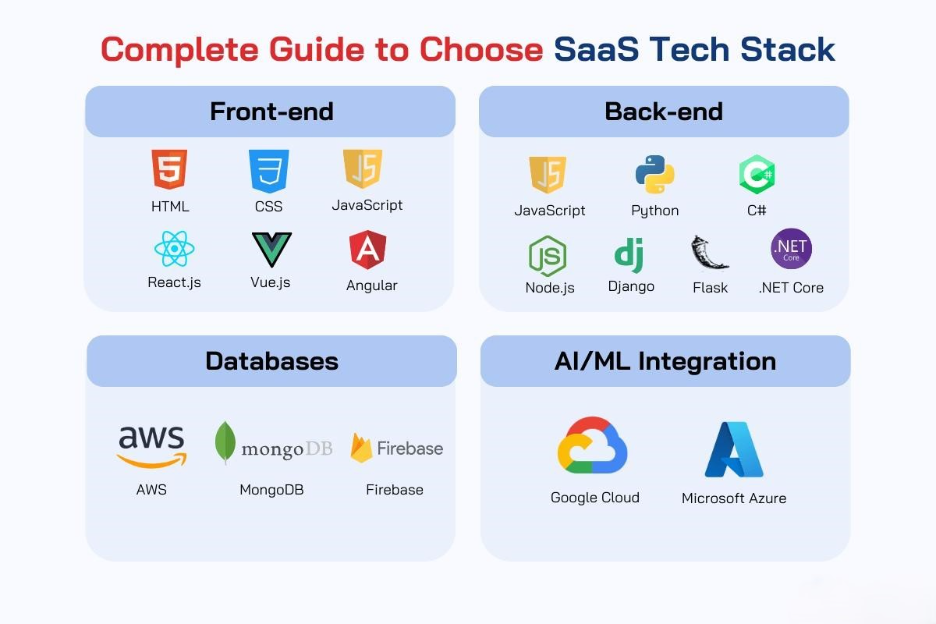
Example Stack:
- Frontend: React / Vue
- Cloud: AWS / Kubernetes
- Backend: Node.js / Python
3. Product Thinking (This is a Game-Changer)
The best SaaS partners don’t just code—they think like product owners.
They should:
- Challenge your assumptions
- Suggest UX improvements
- Focus on user retention
If you want a SaaS partner who thinks beyond code and helps you scale:
Work with experienced SaaS developers here:

4. Scalability & Architecture Planning
Your SaaS must handle growth from day one.
Look for:
- Microservices architecture
- Load balancing
- Database optimization
- Auto-scaling infrastructure
5. Communication & Transparency
This is where most partnerships fail.
Evaluate:
- Response time
- Project management tools (Jira, Trello)
- Weekly reporting
6. Pricing Model & Cost Transparency
Avoid vague pricing.
Common Models:
- Fixed cost (best for MVP)
- Hourly (flexible)
- Dedicated team (long-term scaling)
Common Mistakes to Avoid
❌ Choosing Based on Price Alone
Cheap teams often cost more in the long run.
❌ Ignoring Communication Skills
Bad communication = missed deadlines.
❌ Not Checking Portfolio Deeply
Always verify real SaaS projects.
Real-World Scenario
A startup hired a low-cost freelancer for $5K.
Result:
- Poor architecture
- No scalability
- Rebuild cost: $25K
Another founder invested $12K upfront with an experienced SaaS team.
Result:
- Scalable product
- Faster launch
- Early revenue
Lesson: Choose value, not just price.
Step-by-Step Process to Choose the Right Partner
- Define your SaaS goals
- Evaluate portfolios
- Conduct technical interviews
- Start with a small test project
- Scale the partnership
- Shortlist 3–5 partners
Decision Framework Table
| Criteria | Weight | What to Look For |
|---|---|---|
| Experience | High | SaaS-specific projects |
| Tech Skills | High | Modern stack |
| Communication | Medium | Clear updates |
| Cost | Medium | Transparent pricing |
| Support | High | Post-launch support |
FAQ

Focus on SaaS-specific experience, technical expertise, communication quality, and proven portfolio. Always start with a small test project before full commitment.
Ask about their SaaS projects, tech stack, scalability approach, communication process, and post-launch support.
Costs vary widely—from $5,000 for MVPs to $100,000+ for full-scale platforms—depending on features, complexity, and team expertise.
Yes, outsourcing can reduce costs and speed up development—but only if you choose an experienced SaaS partner with strong communication.
Avoid teams with no SaaS portfolio, unclear pricing, poor communication, and unrealistic promises.
Conclusion
Choosing the right SaaS development partner isn’t about finding the cheapest option—it’s about finding the smartest investment.
Focus on:
- Experience over promises
- Scalability over shortcuts
- Communication over convenience
A strong partner doesn’t just build your SaaS they help you grow it.
For Learn About: Technical SaaS expertise & SaaS product optimization, Click Here!
Ready to build or scale your SaaS with the right partner?
Start your project today: